
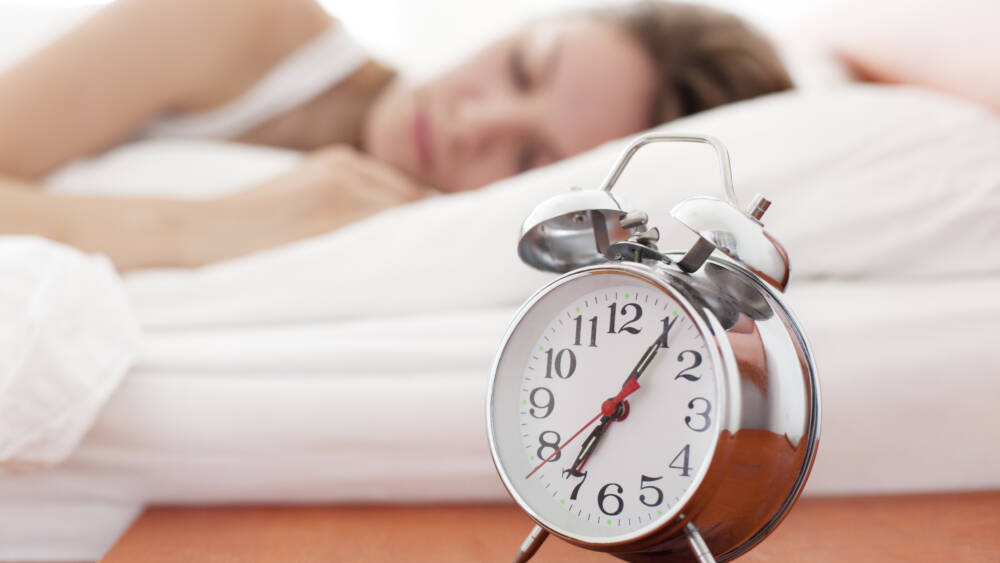
If you live with chronic musculoskeletal pain, you might also be living with poor sleep. Many people with long-term pain conditions report trouble falling asleep, staying asleep, or waking up feeling unrefreshed.
And it’s not just the pain itself keeping you up. Sleep and pain are closely linked – in fact, they affect each other in both directions.
A systematic review found a strong association between chronic low back pain and sleep problems, with poor sleep making the experience of pain worse, and pain interfering with the ability to get quality rest.¹ What’s even more striking is that poor sleep can actually increase your sensitivity to pain, making aches feel sharper and more intense the next day.²
So, if you’ve been stuck in a cycle of pain and sleeplessness, it’s not in your head – and there are proven, practical ways to begin breaking the cycle.
How Pain Disrupts Sleep
People with arthritis, fibromyalgia, or back pain often describe difficulty “switching off” at night. Even if you’re tired, the nervous system can remain alert due to ongoing discomfort. This heightened state can delay the time it takes to fall asleep and lead to lighter, more fragmented sleep.
And here’s the kicker: even if you manage to get enough hours in bed, you may still feel groggy and unrested if the quality of your sleep is poor.
Why Sleep Matters for Pain Management
The link between poor sleep and pain intensity is now well-established. Research shows:
- People who sleep poorly are more likely to report higher pain levels the next day.
- Interrupted or fragmented sleep increases pain sensitivity, meaning your body is more reactive to discomfort.²
- Non-drug sleep treatments — like sleep education and cognitive behavioural therapy for insomnia (CBT-I) — have been shown to improve both sleep and pain-related outcomes for people with long-term painful conditions.³
This means that by improving your sleep, you may also be reducing your experience of pain.
Simple, Evidence-Based Tips to Sleep Better with Chronic Pain
You don’t need to rely on sleeping pills. The most effective treatments for sleep disturbance in people with pain are non-pharmacological — and they’re safe, natural, and within your control.
1. Create a Sleep Routine
- Go to bed and get up at the same time every day, even on weekends.
- Develop a 30-minute bedtime routine with quiet, calming activities — like a warm shower, gentle stretching, or reading.
2. Strengthen the Bed-Sleep Connection
- Use your bed only for sleep (and intimacy). Avoid reading, watching TV, or using devices in bed.
- If you can’t sleep after 20 minutes, get up and do something relaxing (not scrolling your phone) until you feel sleepy again.
3. Use Relaxation to Calm Your Nervous System
- Chronic pain keeps your nervous system on high alert. Practice relaxation or mindfulness meditation daily to help bring it down.
- Research supports regular use of techniques like deep breathing, body scans, or guided relaxation as part of a broader pain and sleep strategy.
4. Mind Your Sleep Hygiene
These everyday habits can impact your sleep more than you think:
- Avoid caffeine, alcohol, and heavy meals close to bedtime.
- Exercise regularly — but not within 2 hours of going to bed.
- Make your bedroom cool, quiet, and dark.
5. Avoid Napping
Napping during the day (especially late in the day) can interfere with falling asleep at night. If you must nap, keep it short (20 minutes max) and do it in the morning.
6. Don’t Watch the Clock
Clock-watching can make sleep anxiety worse. If you need an alarm, turn it away from view so you’re not tracking the minutes.
When Sleep is a Struggle — Get Help
If pain, arthritis, or anxiety are still making sleep difficult despite your best efforts, speak to a health professional. Psychologists who specialise in pain and sleep can help you work through underlying patterns using tools like CBT-I, which has strong evidence behind it.³
You should also speak to your GP if:
- You snore heavily or wake up gasping for breath.
- You’re waking extremely early and can’t fall back asleep.
- Your mood has taken a dip — anxiety and depression often go hand in hand with poor sleep and chronic pain.
Sleep Medications: A Short-Term Tool, Not a Long-Term Fix
While medications can sometimes help in the short term — for example, to break a bad cycle or reset sleep — they’re not recommended for long-term use. Many sleep medications don’t replicate natural sleep patterns and may interact with pain medicines (like opioids).
Always speak with your doctor before starting or stopping any medication for sleep.
Final Thoughts
If you’re living with chronic musculoskeletal pain, treating sleep as part of your pain management plan is not just helpful — it’s essential. Improving sleep can help reduce your sensitivity to pain, support your mood, and improve your overall quality of life.
Better sleep won’t solve everything, but it can help your body and mind cope more effectively with pain. And that’s a good place to start.
Where to Get More Help
- Sleep Health Foundation – sleephealthfoundation.org.au
- Beyond Blue – beyondblue.org.au
- This Way Up – thiswayup.org.au
- Speak to your GP about psychology or sleep clinic referrals.
References
- Kelly GA, Blake C, Power CK, O’Keeffe D, Fullen BM. (2011). The association between chronic low back pain and sleep: a systematic review. Clin J Pain, 27(2):169–81.
- Sivertsen B, Lallukka T, Petrie KJ, Steingrimsdottir OA, Stubhaug A, Nielsen CS. (2015). Sleep and pain sensitivity in adults. Pain, 156(8):1433–9.
- Tang NK, Lereya ST, Boulton H, Miller MA, Wolke D, Cappuccio FP. (2015). Nonpharmacological treatments of insomnia for long-term painful conditions: A systematic review and meta-analysis. Sleep, 38(11):1751–64.