
• Skip to primary navigation
  • Skip to content
  • Skip to primary sidebar
  • Skip to footer

Arthritis WA HomepageArthritis WA

Arthritis Care, Osteoarthritis, About arthritis | Arthritis Foundation of WA

  • My Profile
  • Cart
  • Donate
  • Home
  • News
    • Latest News
    • Health and Lifestyle
    • Research
    • Spotlight
    • Youth
  • About Us
    • Staff
    • Board
    • Constitution
    • Annual Reports
  • Arthritis
    • Osteoarthritis
    • Fibromyalgia
    • Gout
    • Rheumatoid Arthritis
    • Ross River Virus & Barmah Forest Virus
    • Polymyalgia Rheumatica
    • Scleroderma
    • Reactive Arthritis
    • Lupus
    • Winter and Arthritis
    • Psoriatic Arthritis
    • Spondyloarthritis
    • Sjogren’s Syndrome
  • Osteoporosis
    • Diagnosis
    • Prevention
    • Risk Factors
    • Treatments
  • Services
    • Arthritis Today
    • Children with Arthritis
    • Community Speakers
    • Exercise
    • Useful Links
    • Self Management Courses
    • Support Groups
    • Telephone Services
  • What Can I Do?
    • Donate
    • Share with Friends & Family
    • Leave a Bequest
    • Volunteer
    • Fundraising
  • Events
  • Resources
    • Shop
  • Research
    • Clinical Academics in Western Australia
    • Current research activities
    • Would you like to participate in research?
  • Contact Us

Knees

Date: 22/01/2018

Overview Text

Related Conditions

iStock_000003891394Large

Got a question about Arthritis or Osteoporosis? We're here to help!

Contact our Telephone Advisory Service on 9388 2199 or toll free for country callers 1800 011 041 Monday to Friday, 10am - 4pm.

Fibromyalgia

Date: 18/10/2017

Fibromyalgia is a name given to a group of symptoms marked by generalised pain and muscle stiffness. These symptoms can be felt in all different areas of the body.
Extreme fatigue (tiredness) and sleep problems are also common in fibromyalgia. Fibromyalgia does not cause inflammation or damage to the painful areas, but seems to be due to an over-active pain system. Fibromyalgia is different to polymyalgia rheumatica, a type of arthritis in which symptoms are felt more in the muscles.


What are the symptoms?

The most common symptoms of fibromyalgia are:

  • pain; usually aching, stiffness and tiredness of muscles. Pain may be worst after rest (eg. first thing in the morning) or after activity
  • extreme fatigue (tiredness), making it difficult to do your normal daily activities
  • poor sleep
  • problems with concentration and memory
  • irritable bowel (diarrhoea, stomach pain).

What causes it?

It is not known what causes fibromyalgia. It may be more common in people who have:

  • inflammatory arthritis (for example, rheumatoid arthritis)
  • an illness, such as a virus (or following an illness or infection)
  • pain from an injury or trauma
  • emotional stress and depression.

For many people fibromyalgia starts without any obvious cause. Extensive research suggests that the body may become extra sensitive in the way it signals and processes pain in people with fibromyalgia.


How is it diagnosed?

Fibromyalgia can be very difficult to diagnose. It does not cause any inflammation or damage. Even the painful muscles have been shown to look and function normally. As such there are no blood tests, x-rays or scans that can test for fibromyalgia. Your doctor or rheumatologist (arthritis specialist) will look for a number of signs that are typical of fibromyalgia. These include widespread pain for more than three months and widespread tenderness of the body.


Download a FREE information sheet on Fibromyalgia

  • Fibromyalgia – Digital Info Sheet

    FREE
    Add to cart

iStock_000003891394Large

Got a question about Arthritis or Osteoporosis? We're here to help!

Contact our Telephone Advisory Service on 9388 2199 or toll free for country callers 1800 011 041 Monday to Friday, 10am - 4pm.

Gout

Date: 18/10/2017

Gout is a common and painful condition that affects the joints. Small crystals form in and around the joint, causing inflammation, pain and swelling. These crystals are made from one of the body’s normal waste products, uric acid. Normally the body rids itself of extra uric acid through the kidneys into the urine. However this does not happen fast enough in people with gout. This causes uric acid levels to build up and the crystals to form.


Who is affected by gout?

There are two main groups of people commonly affected by gout:

  • men between the ages of 40 and 50 years
  • older people taking diuretics (also known as ‘water pills’ or tablets which help the body get rid of water).

Gout in pre-menopausal women is rare and your doctor may wish to further investigate your symptoms.


What are the symptoms?

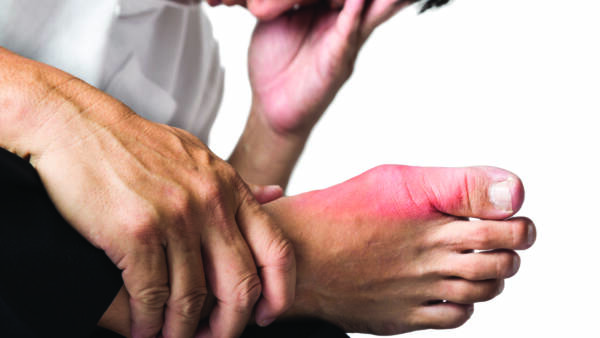
An attack of gout usually comes on very quickly, often overnight. The joint becomes very red, swollen and extremely painful. Often the joint is intensely sore to touch. Gout normally affects one joint at a time, often the joint of the big toe. Other joints such as the hands, wrists, knees, ankles and elbows can also be affected by gout.


What causes it?

Gout is usually caused by your kidneys not flushing uric acid out of your body quickly enough. Gout runs in families, although not all family members will be affected. There are some lifestyle factors which may increase your risk of developing gout, including:

  • drinking alcohol
  • dehydration (not drinking enough water)
  • being overweight or overeating
  • ‘crash’ dieting or fasting
  • eating certain foods (see next page).

Taking diuretics (water tablets) and/or having kidney disease also increases your risk of developing gout.


How is it diagnosed?

Gout is diagnosed by finding crystals of uric acid in fluid taken from your joint. Your doctor may test your urine to see if your body is getting rid of extra amounts of uric acid. Uric acid levels can also be measured by blood tests, however these are not always accurate. Uric acid levels may be normal or even lowered during an attack of gout. Blood tests are most useful in ruling out other types of joint infections or arthritis. X-rays are often normal in the early stages of gout, so are not very useful in diagnosing gout.


Prevention

The good news is that gout can be prevented. Talk to your doctor about ways of preventing gout, including:

Medicines: There are medicines that can lower uric acid levels in your blood. These medicines need to be taken every day, whether you are having an attack or not.

Alcohol: Cut down the amount of alcohol you drink and avoid drinking a lot of alcohol at one time (binge drinking). Talk to your doctor or visit www.alcohol. gov.au for Australian Government guidelines on recommended alcohol intake.

Weight loss: If you are overweight, lose weight gradually. Make sure you have a healthy diet, as ‘crash’ or ‘starvation diets’ can actually increase uric acid levels. See a dietician for advice.

Changes in your diet: It is believed that some foods may trigger attacks of gout. These foods tend to contain high levels of purines, a substance that can be made into uric acid in the body. However not all purine-rich foods are thought to cause gout. There is also very little scientific proof that avoiding purine-rich foods can successfully reduce gout attacks. See the Gout and diet information sheet for more information about reducing the risk of gout attacks through changes in your diet. Pseudogout is often mistaken as gout as it causes similar symptoms. However it is the result of a different type of crystal, called calcium pyrophosphate crystals, forming in the joint. These crystals tend to form in the cartilage, the smooth coating lining the ends of the bones. Pseudogout is diagnosed by finding calcium pyrophosphate crystals in the fluid of an affected joint. It is a separate condition from gout and may require different treatment.


Download a FREE information sheet on Gout

  • Gout – Digital Info Sheet

    FREE
    Add to cart

iStock_000003891394Large

Got a question about Arthritis or Osteoporosis? We're here to help!

Contact our Telephone Advisory Service on 9388 2199 or toll free for country callers 1800 011 041 Monday to Friday, 10am - 4pm.

Lupus

Date: 18/10/2017

Systemic lupus erythematosus (also called SLE or lupus) is an autoimmune condition. The normal role of your body’s immune system is to fight off infections and diseases to keep you healthy. In an autoimmune disease like lupus, your immune system starts attacking your own healthy tissues. For some people, lupus may just affect the skin and/or joints. In other people, the lungs, kidneys, blood vessels, brain or other parts of the body may also be affected.


What are the symptoms?

The symptoms of lupus vary from person to person. Symptoms may come and go at different times. Although many parts of the body can be affected, most people usually have involvement of only a few parts. The most common symptoms are:

  • joint pain and/or swelling, especially in the hands or feet
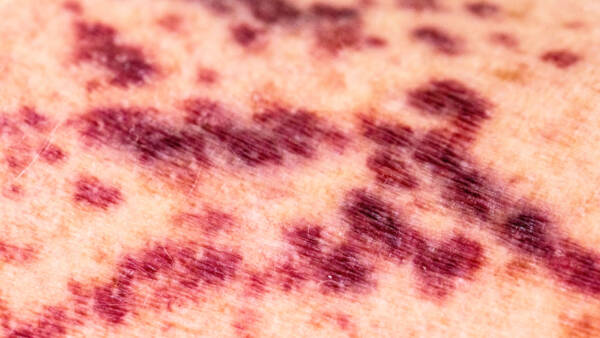
  • skin rashes, made worse by being in the sun
  • sores in the mouth or nose
  • anaemia (low number of red blood cells).

What causes it?

It is not known what causes lupus. It is believed to be the result of a combination of factors, including genetics, viruses, sunlight, stress and hormones acting together. This is yet to be proven in research.


How is it diagnosed?

If you have symptoms of lupus you should see your doctor. Your doctor will diagnose lupus on the basis of your symptoms, a clinical examination and various tests. These can include blood and urine tests, as well as tests to check organs such as your heart and lungs. There is no one single test that can tell whether you have lupus. It can be difficult, and often takes time to diagnose lupus as the symptoms can be similar to other types of arthritis.


What will happen to me?

With close follow-up and the right treatment, most people with lupus can expect to live a full and active life. However it can cause serious and even life-threatening problems in some cases. Many people with lupus have ‘flares’, periods when their symptoms get worse. ‘Flares’ can happen with no obvious cause. There is no way of knowing their severity or how long they will last. They can occur more commonly during times of stress, or may be triggered by sun exposure, infections, and pregnancy. People with more severe forms of lupus can have serious problems with organs such as the kidneys, lungs and heart. If these organs are affected, you may need to see other specialists (for example, a kidney specialist if your kidneys are affected).


Is there a cure for lupus?

Currently there is no cure for lupus. However, treatment for lupus has improved dramatically, with new medicines that are extremely helpful in controlling the condition. Be wary of any products or therapies that claim to cure lupus.


What treatments are there for lupus?

Your doctor will tailor your treatment to your symptoms and the severity of your condition. There is no way of predicting exactly which treatment will work best for you. Your doctor may need to trial several different treatments before finding the one that is right for you and may include medicines, such as:

  • corticosteroids, when the kidneys or other organs are involved
  • non-steroidal anti-infl ammatory drugs (NSAIDs)
  • disease-modifying anti-rheumatic drugs (DMARDs).

Download a FREE information sheet on Lupus

  • Lupus – Digital Info Sheet

    FREE
    Add to cart

iStock_000003891394Large

Got a question about Arthritis or Osteoporosis? We're here to help!

Contact our Telephone Advisory Service on 9388 2199 or toll free for country callers 1800 011 041 Monday to Friday, 10am - 4pm.

Osteoarthritis

Date: 18/10/2017


Osteoarthritis (OA) is a condition that affects the joints. In a normal joint, the ends of the bones are covered by a layer of cartilage. Cartilage helps the joint move smoothly and cushions the ends of the bones. In OA, the cartilage breaks down and becomes thin. This leaves the ends of the bones unprotected, and the joint loses its ability to move smoothly. OA mainly affects people over the age of 45, but it can develop in younger people. Osteoarthritis is different to osteoporosis. Osteoporosis is a condition where the bones become fragile and brittle, causing them to break more easily.


What are the symptoms?

The symptoms of OA vary from person to person. Your symptoms will also depend on which joints are affected. OA tends to come on slowly, over months or even years. The most common symptoms are pain and stiffness of the joints. These feelings are usually worst after resting or not moving the joint for a while. These symptoms may affect your ability to do normal daily activities, such as walking, climbing stairs and opening jars. 


What causes it?

In many people there is no clear cause of OA. Research shows there are some things that may put you at more risk of developing OA in certain joints, such as:

  • knees: being overweight, having a previous knee injury, jobs involving kneeling, climbing and squatting
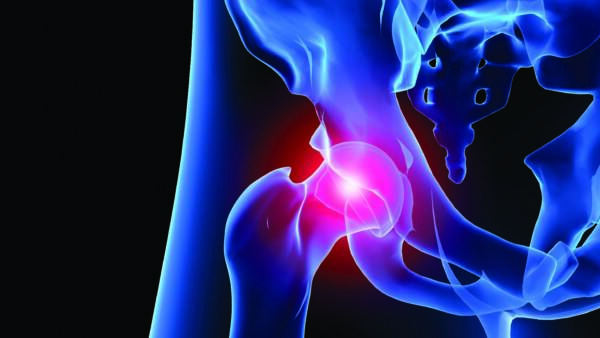
  • hips: being overweight, having a previous hip injury, jobs involving lifting heavy loads (including farming)
  • hands: having a history of OA in the family

How is it diagnosed?

Your doctor will diagnose OA from your symptoms and a physical examination. An x-ray may show them narrowing and changes in the shape of your joint. However x-rays do not diagnose how much trouble you will have. An x-ray that shows joint damage does not always mean you will have a lot of pain or problems. On the other hand your joint may be very painful despite x-rays being normal. Blood tests are only helpful to rule out other types of arthritis.


What treatments are there for OA?

Treatments for OA vary depending on which joints are affected and the severity of your condition. There is no way of predicting exactly which treatment will work best for you. Each treatment has its own benefits and risks. Your doctor may need to trial several different treatments before finding the one that is right for you.

In general terms, treatment usually includes:

  • simple pain relief, using medicines such as paracetamol
  • non-steroidal anti-inflammatory drugs (NSAIDs)
  • an exercise program designed to suit your needs
  • a weight loss program, if you are overweight
  • joint replacement surgery, if your symptoms are no longer controlled with other therapies.

Download a FREE information sheet on Osteoarthritis

  • Osteoarthritis – FREE Info Sheet

    FREE
    Add to cart


iStock_000003891394Large

Got a question about Arthritis or Osteoporosis? We're here to help!

Contact our Telephone Advisory Service on 9388 2199 or toll free for country callers 1800 011 041 Monday to Friday, 10am - 4pm.

Polymyalgia Rheumatica

Date: 18/10/2017

Polymyalgia rheumatica means ‘pain in many muscles’. It is a condition that causes inflammation of the joints and tissues around the joints. This causes muscles to feel painful and stiff; especially in the shoulder, neck and hip areas. Polymyalgia rheumatica is different to fibromyalgia, a condition that does not cause inflammation.


What are the symptoms?

The main symptoms are:

  • muscle pain and stiffness in the upper arms, neck, buttocks and thighs on both sides of the body
  • pain and stiffness worse in the morning and after not moving (such as after a long car ride or sitting too long in one position)
  • difficulty sleeping and doing daily activities (for example, lifting the arms to put on a jacket, bending over to pull on shoes or getting up from a low chair) due to pain and stiffness.

Symptoms usually come on quickly, over several days or weeks and sometimes even overnight.


What causes it?

The exact cause of polymyalgia rheumatica is not known. Genetics and/or environmental factors, such as an infection, may play roles in causing this type of arthritis. This has yet to be proven in research.


How is it diagnosed?

There is no single test that can diagnose polymyalgia rheumatica. Your doctor will diagnose polymyalgia rheumatica from your symptoms, a physical examination and blood tests that measure levels of inflammation. These tests measure the erythrocyte sedimentation rate (ESR) or C-reactive protein (CRP) blood level. However some people with polymyalgia rheumatica can have normal blood tests. It may take several visits before your doctor can tell if you have polymyalgia rheumatica as the symptoms can be like other types of arthritis.


What will happen to me?

The good news is that the symptoms of polymyalgia rheumatica usually improve with treatment. In fact, most people find their symptoms improve dramatically within a few days of starting treatment. It usually takes two to three years for polymyalgia rheumatica to settle completely. Most people will need to continue treatment during this time to keep the symptoms under control. Polymyalgia rheumatica can return, particularly when you stop treatment, however this is rare if you have been free of symptoms for some time.


What treatments are there for Polymyalgia Rheumatica?

Treatment for polymyalgia rheumatica usually involves medicines called corticosteroids. Your doctor will usually start you on a dose that relieves your symptoms and then slowly reduce the dose to the lowest possible amount, that keeps you symptom free. Corticosteroids can cause side effects, so it is important to be reviewed regularly by your doctor while taking these medicines.


Download a FREE information sheet on Polymyalgia Rheumatica

  • Polymyalgia Rheumatica – Digital Info Sheet

    FREE
    Add to cart

iStock_000003891394Large

Got a question about Arthritis or Osteoporosis? We're here to help!

Contact our Telephone Advisory Service on 9388 2199 or toll free for country callers 1800 011 041 Monday to Friday, 10am - 4pm.

Next Page »

Primary Sidebar

  • Facebook
  • Twitter

Footer

  • Home
  • About Us
  • Services
  • Contact Us
  • My Profile
  • Privacy
  • Refund Policy

17 Lemnos Street
SHENTON PARK
Western Australia 6008

PH: 08 9388 2199
FAX: 08 9388 4488
COUNTRY CALLERS: 1800 011 041

  • Facebook
  • Twitter